A Deep Dive into Digitecture
About ten years ago, I noticed something. Organizations were investing heavily in their digital strategies. Websites were being redesigned, apps developed and online services expanded. But as soon as those same organizations started developing a new building or renovating an existing location, that digital ambition suddenly seemed to fade into the background.
Throughout the design process, architecture, interiors, wayfinding, sustainability and functionality were discussed extensively. All essential elements of good design. But one question was strikingly often left unanswered:
“How can the digital layer contribute to a better visitor experience?”
That observation led to what I later came to call Digitecture: the integration of digital elements and features into the design of buildings, places and areas from an early stage. The digital layer is an essential part of the overall visitor experience.
It is important to first understand the ambition, the “Why,” behind a project so that appropriate solutions can then be developed. What role does an organization want to play? What should a public place mean to the people who visit it? A library, for example, wants to encourage reading, make knowledge accessible and facilitate interaction. A museum wants to tell stories. A city hall wants to welcome residents and connect them to the relevant services.
Digitecture takes shape based on that ambition. Sometimes the digital layer helps visitors get to their destination, for example through personalized wayfinding or multilingual information. In other cases, it enriches the visitor experience through interactive stories or personalized recommendations. Digitecture can also support staff through reservation systems and digital information services.
Architecture and interior design shape the physical environment. Digitecture adds a digital dimension that helps, informs, surprises and connects visitors.
“Architecture shapes the physical environment. Digitecture shapes how people experience, understand, and use it.”

Why Timing Matters: The Digitecture Process
Digitecture should be part of a project from the very first design phase, not introduced only when the building is nearly complete. Yet attention often turns to the digital layer only once the interior fit-out begins and questions arise about screens, power supplies, connections or digital support for visitors. By then, many design decisions have already been made, making solutions more expensive, less flexible and more difficult to integrate.
By considering the desired digital elements early on, they can be incorporated into architectural decisions, infrastructure, cabling, power supply and interior design. This prevents unnecessary modifications during construction and often leads to lower implementation costs, fewer expensive errors and a more efficient construction process.
The Digitecture process is often overlooked, underestimated or incorporated too late. Three questions organizations should ask themselves ahead of time are:
- How can digital solutions help our organization achieve its goals more effectively?
- How can digital solutions improve the experience of our employees?
- How can digital solutions in our building improve the experience of our visitors?
Once it is clear which digital elements are needed, the most appropriate technology can be determined. Reliability, security, sustainability, maintenance and compatibility with the existing IT infrastructure all play an important role in this process.
This requires close collaboration between architects, interior designers, clients, IT specialists and users. When these disciplines work together from the outset, solutions emerge that not only function well technically but also enhance the quality of the place.
“Through his work on Digitecture, Alex made a valuable contribution to the library being named the best library in the world!”

Digitecture in Practice
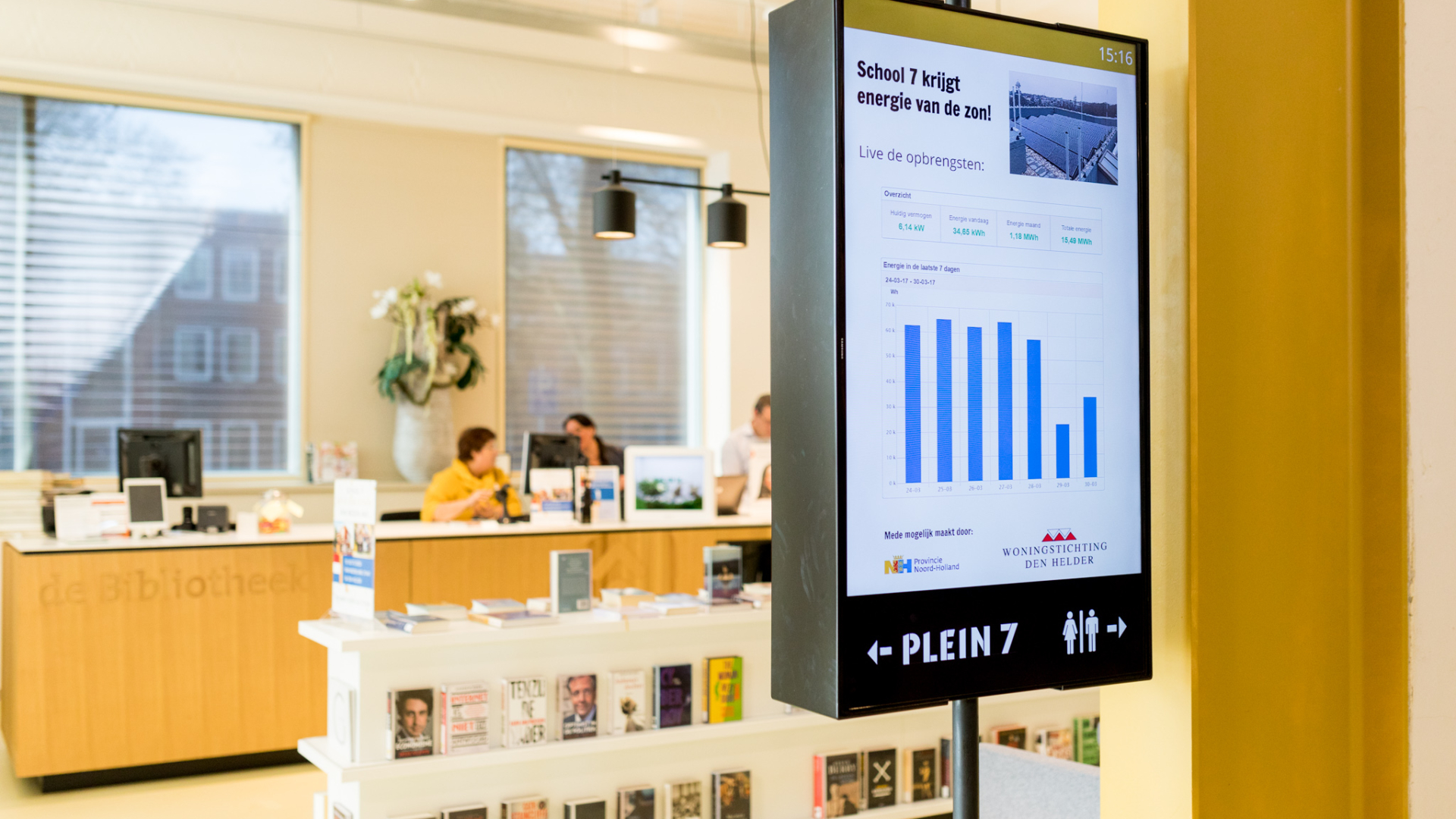
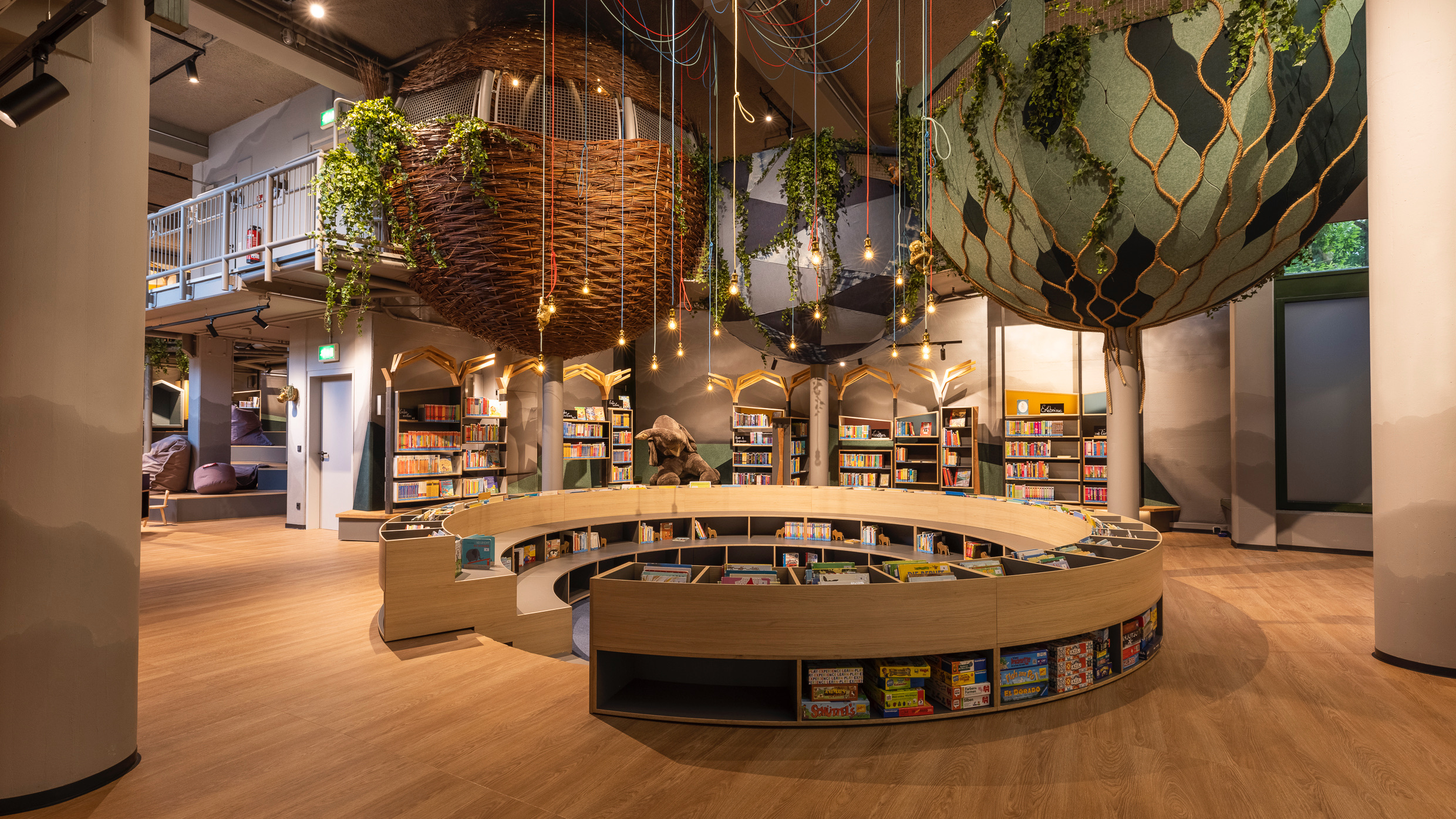
This was also the approach in Den Helder, where I worked with includi, which was involved as an advisor, on the library’s new home. The library organization’s ambitions were translated by Mars Interieurarchitecten, in collaboration with Van Veen Architecten, into an interior design that transformed the library into a public living room.
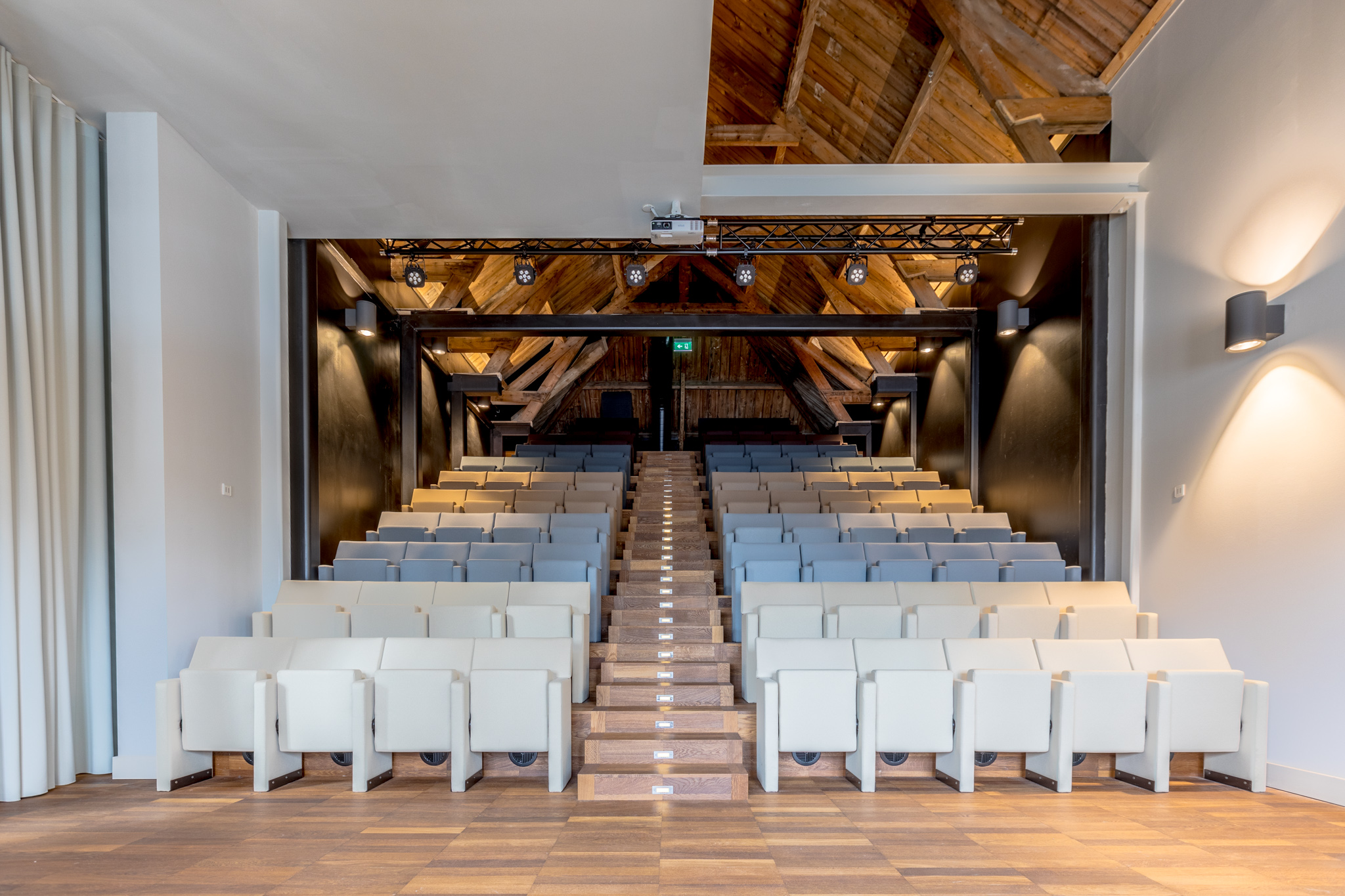
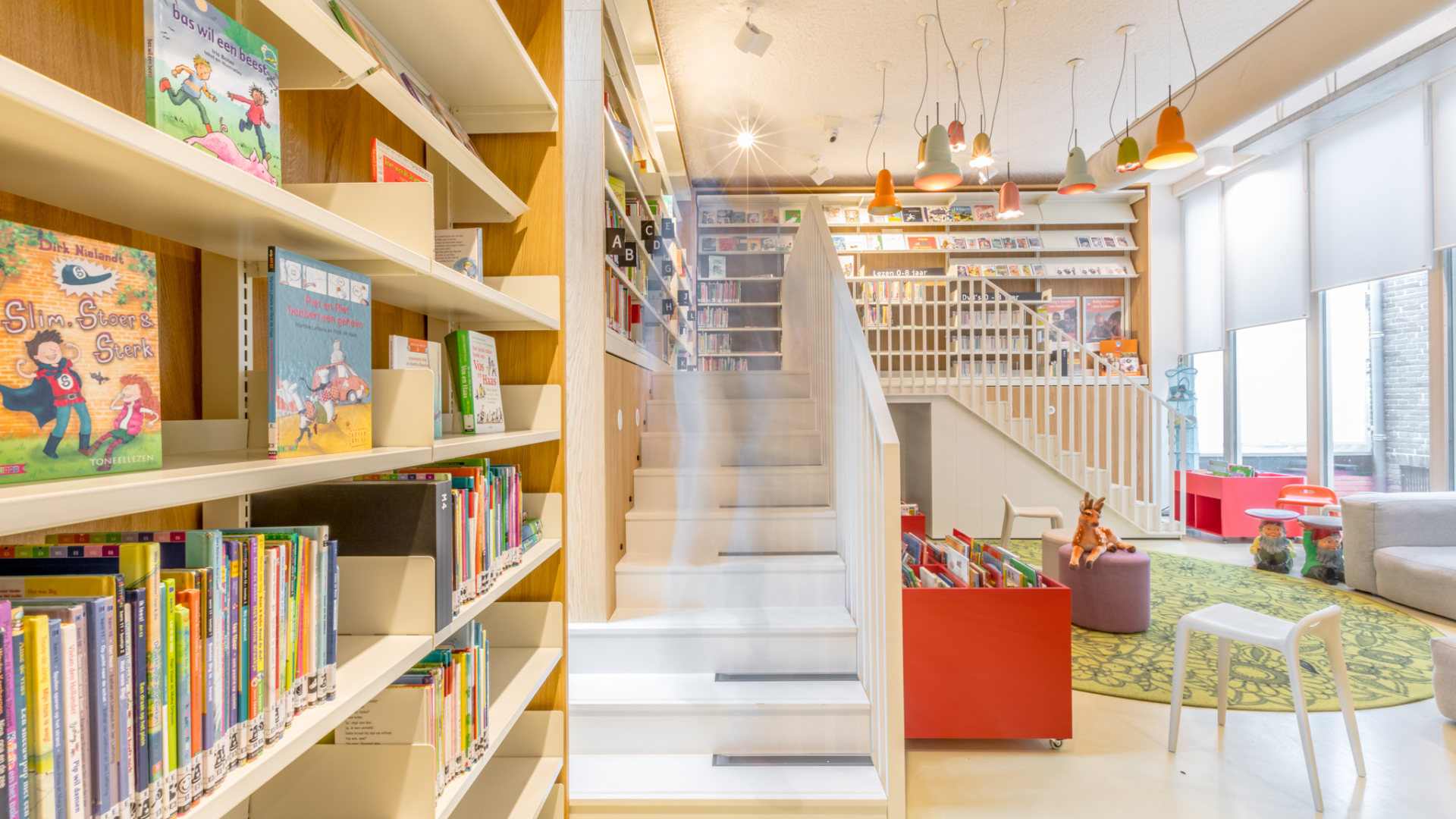
From the outset, the digital experience was treated as an integral part of the design. As a result, digital elements blend seamlessly with the way visitors and staff experience the library. Various digital tools help bring the library’s strategy to life. An electric piano staircase, for example, adds an interactive dimension to the children’s area, a carefully integrated screen visualizes sustainable energy flows and an easy-to-use audiovisual system transforms an ordinary room into a special theater.
By applying the Digitecture process, the role of technology was considered at an early stage. This delivered significantly greater value: costs were saved during construction and the solutions were immediately embraced once the building opened.
The result is a library in which digital features are naturally integrated into the interior, making them intuitive, accessible and inclusive for every user.
In this way, the digital layer strengthens both the library’s services and its social function. While architecture shapes the physical environment, Digitecture shapes how people experience, understand and use that environment.
Photography School 7, Den Helder: Ruben van Vliet
About Alex Talsma
Alex Talsma introduced the concept of Digitecture® more than ten years ago, and it is now a registered trademark. Based on this vision, he advises organizations on integrating the physical and digital layers of buildings, places and public environments.
As part of the includi Academy, Alex leads the workshop “Discover How Physical and Digital Come Together,” in which he demonstrates how digital applications can contribute to future-ready public places from the very first stages of the design process.
Discover our inclusive places