Why Physical Gathering Places Matter More in the Age of AI
The widely discussed lawsuit between Elon Musk and OpenAI CEO Sam Altman initially appeared to be a clash between two of the most powerful figures in the technology sector. Musk argued that OpenAI had abandoned its original mission: developing artificial intelligence in service of humanity. OpenAI countered that its strategic shift was necessary to cover the enormous costs of AI development. In May 2026, a U.S. jury ruled against Musk, finding that his claims had been filed too late.¹
For New York Times journalist David Streitfeld, however, the case points to a broader question: what happens to ideals once innovation acquires scale, power, and economic value?² After all, many technology initiatives begin with a promise – to make knowledge accessible, connect people, or accelerate social progress. OpenAI was no exception. Founded as a nonprofit with the goal of developing artificial intelligence “for the benefit of humanity,” it has grown into one of the most influential technology companies in the world.

The Cost of Progress
That question becomes more relevant as the social costs become increasingly visible. Digital systems may appear weightless, but they depend on a highly physical infrastructure: data centers, energy, water, raw materials, and space.³
The cost is not only environmental. The Social Dilemma revealed how social media – once presented as a way to bring people closer together – evolved into systems designed with the goal of maximizing the attention we pour into them.⁴ Psychologists such as Jean Twenge and Jonathan Haidt have described how digital environments are associated with mental vulnerability, anxiety, and social insecurity among young people.⁵
While their analyses differ in nuance, they point in the same direction: when relationships, identity formation, and social validation increasingly take place within digital systems, the quality of those relationships changes as well.
AI amplifies this dynamic and adds a new dimension. Whereas earlier technologies primarily influenced what we saw, new systems increasingly shape how we interpret, decide, and make meaning.
“We need places where people can continue practicing the art of living together.”

The Blind Spot
Perhaps the greatest blind spot emerges precisely when technology becomes commonplace. What was once extraordinary quietly becomes part of everyday life. Social media followed this path into nearly every aspect of our existence. AI appears to be undergoing a similar transition.
Concern is also growing beyond the technology sector. Pope Leo XIV recently warned about the impact of AI on human dignity and autonomy.⁶ Almost simultaneously, he was presented in Castel Gandolfo with the new electric Ferrari Luce – a brand that uses generative AI for design, personalization, and customer experience.⁷ The paradox is more revealing than the criticism it provoked.
Today, discussions about AI are largely framed in terms of innovation, risk, and regulation. These are important themes, without question. Far less attention is paid to another issue: where does human experience itself still take place? Where do we encounter one another without the mediation of systems? Where do we practice nuance, disagreement, and the ability not to have all the answers immediately?
“Humanity resides in conversations that are not filtered or ranked by algorithms.”
Third Places as Anchors of Humanity
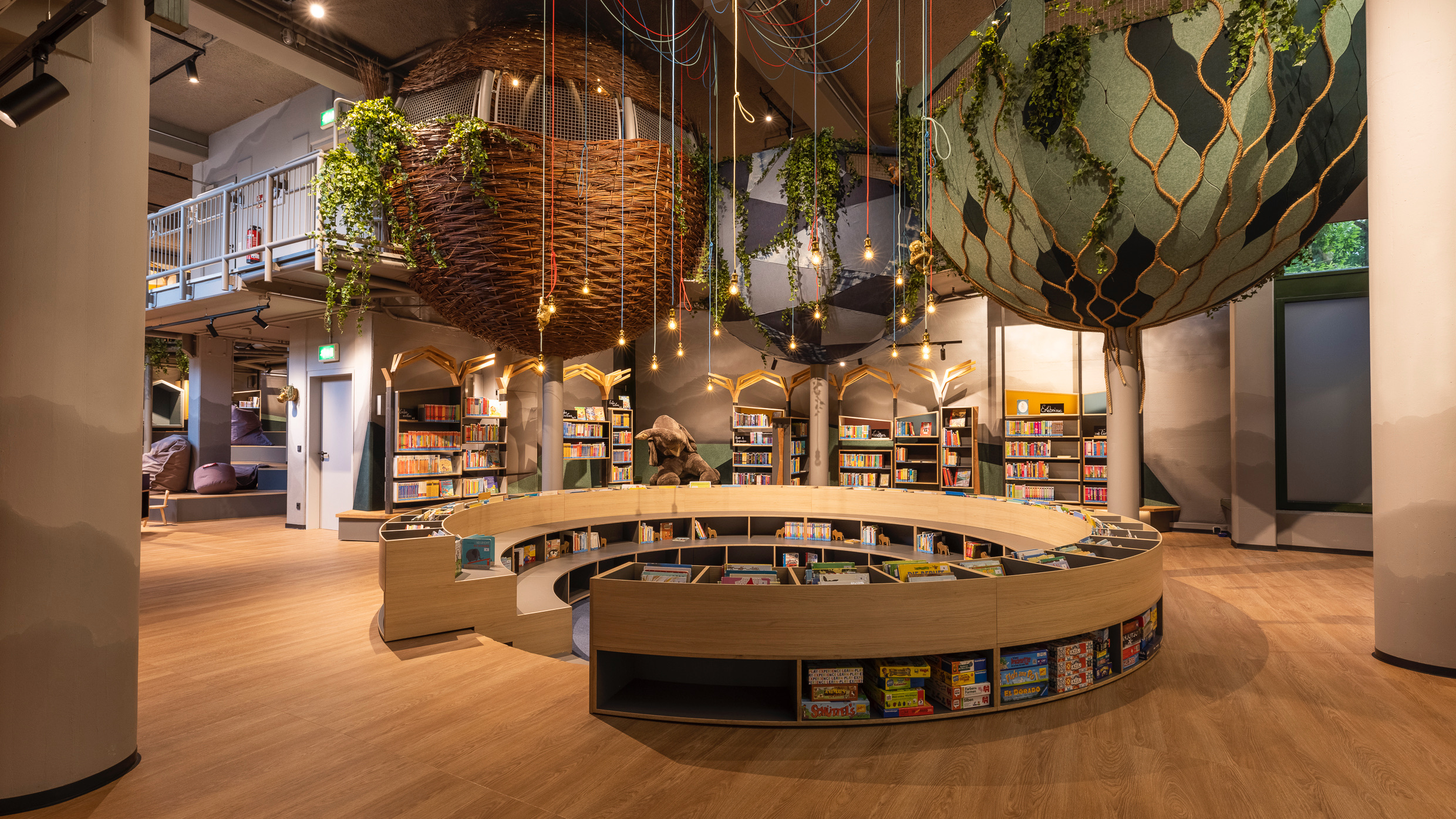
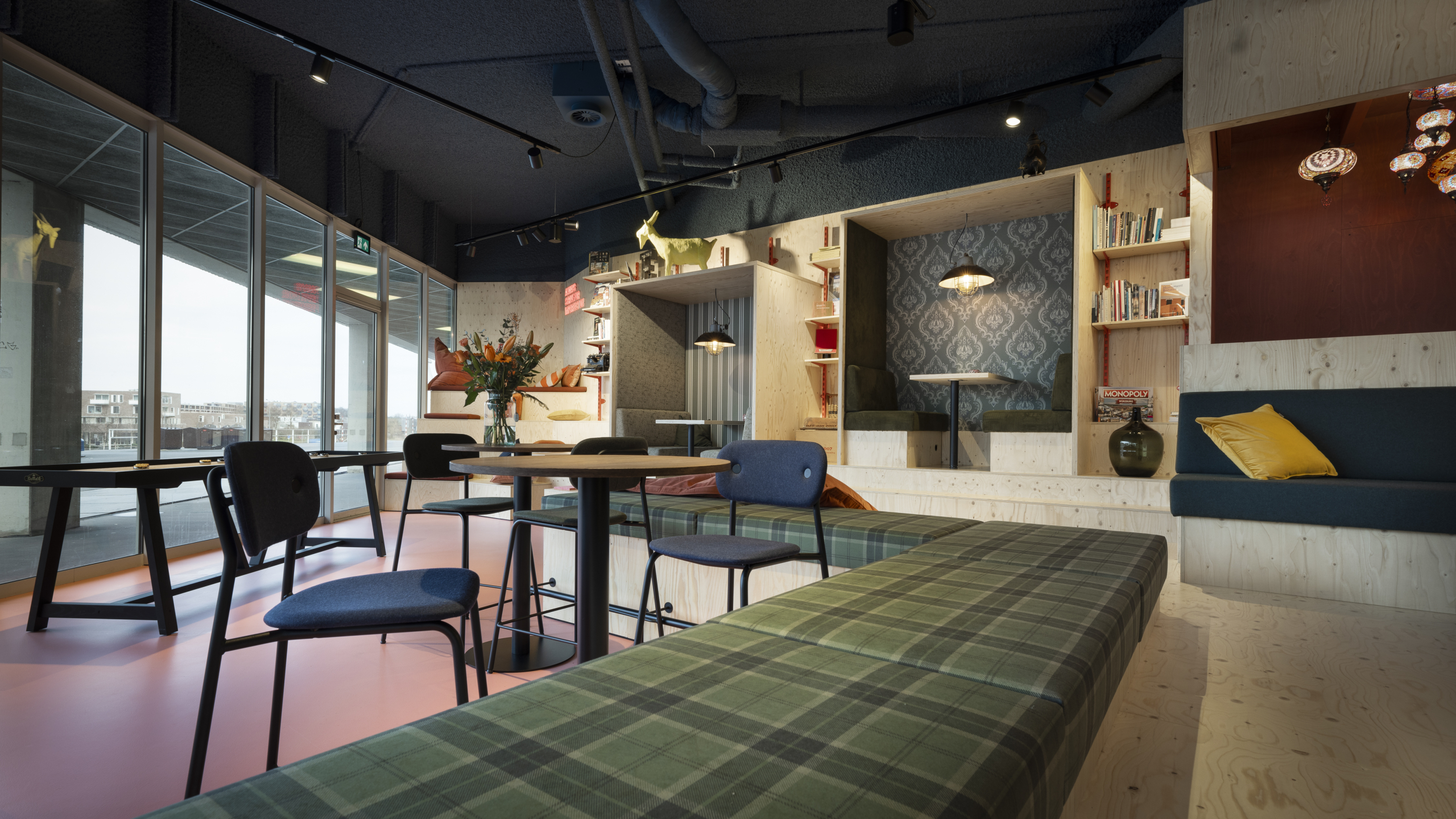
This is where the role of third places comes into view. Libraries, cultural centers, community centers, parks, and public squares have long been more than public amenities. In an increasingly digital society, they become places where human experience, public values, and social cohesion find a tangible home. They become anchors of humanity.
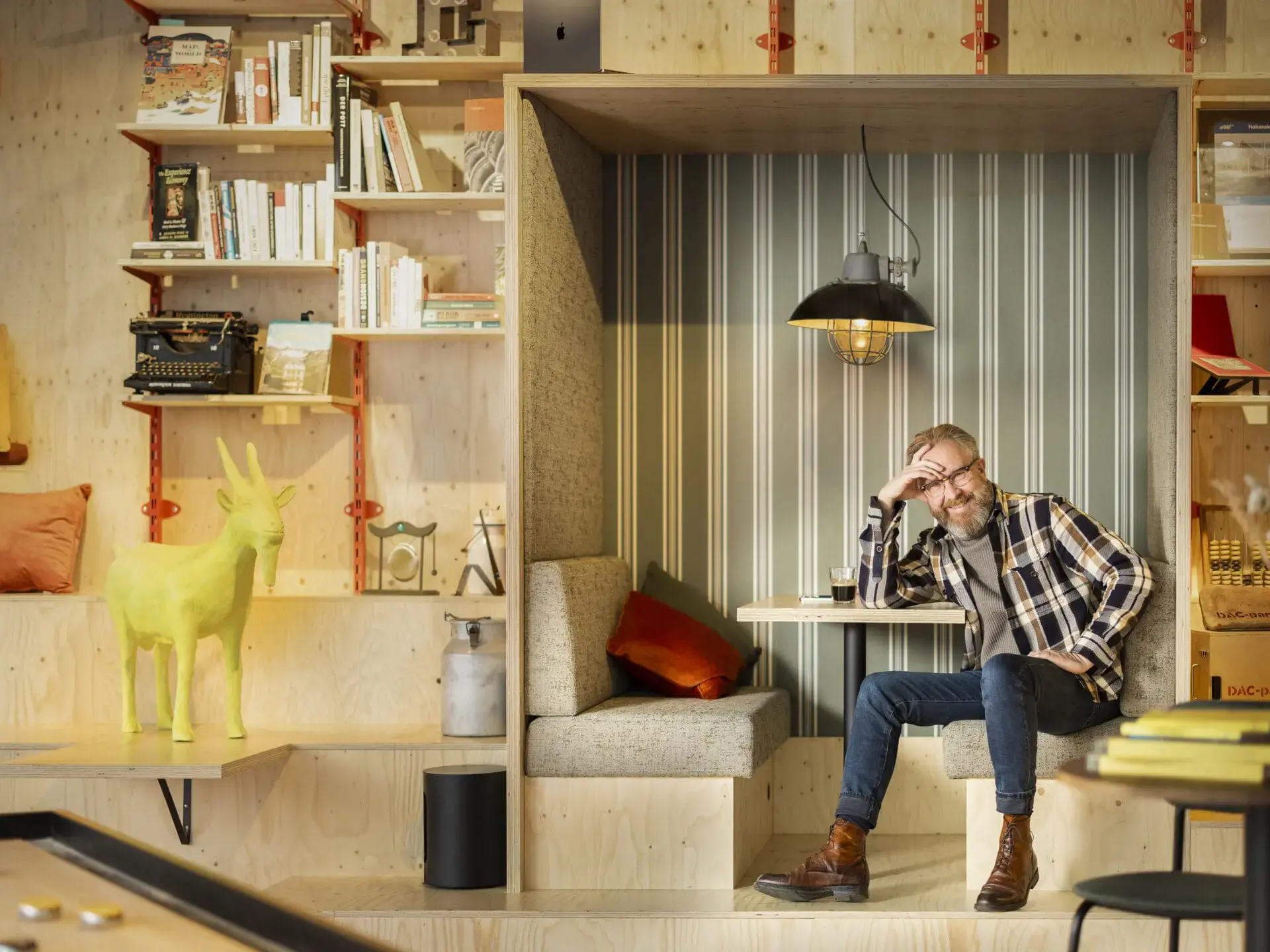
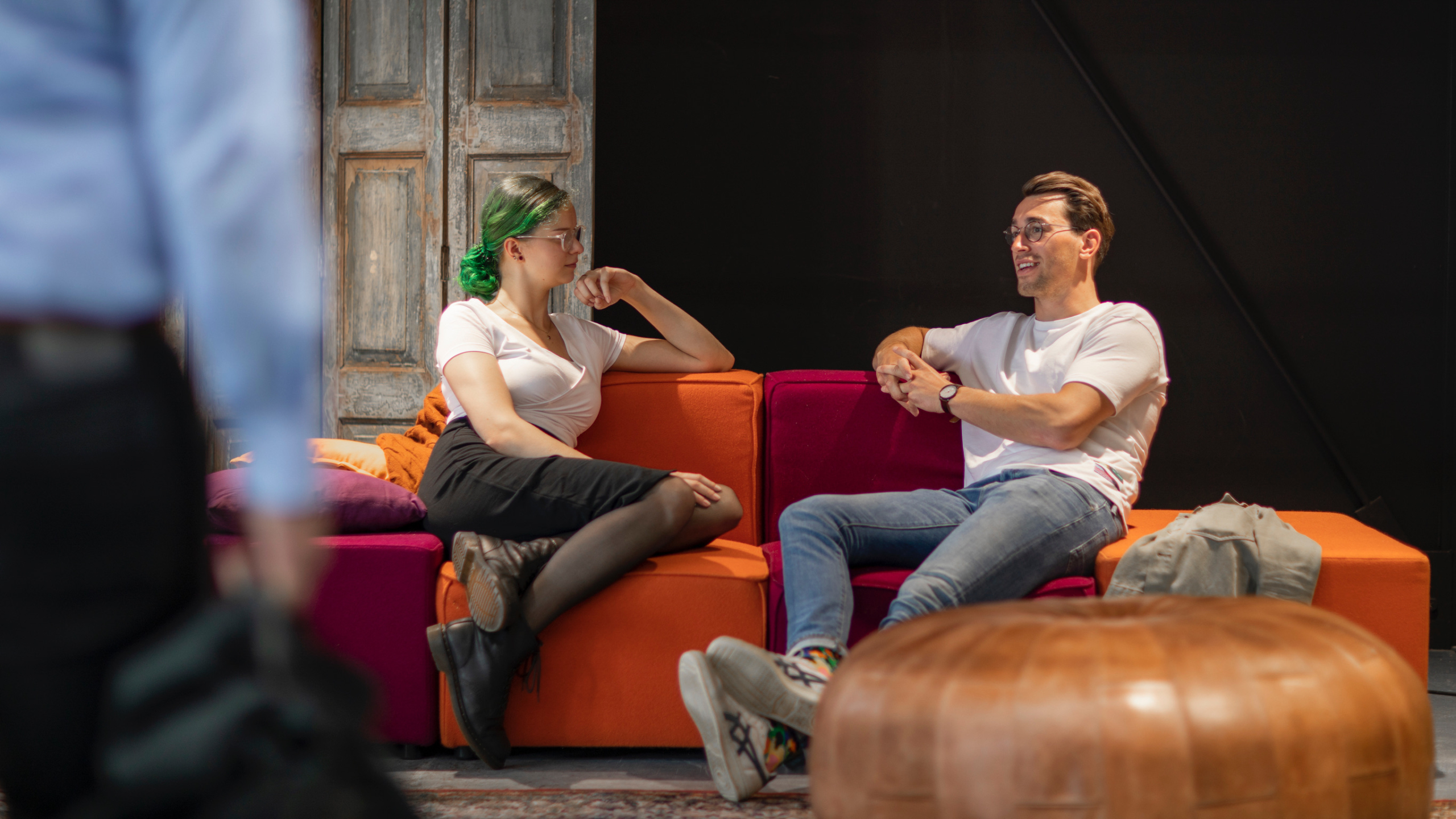
Humanity resides in the ability to meet one another in person. In body language, but also in silence. In conversations that are not filtered or ranked by algorithms. In unexpected encounters with people outside our own bubbles. Such experiences are difficult to digitize. And precisely because technology is becoming increasingly capable of simulating human interaction, the social value of genuine encounters continues to grow.
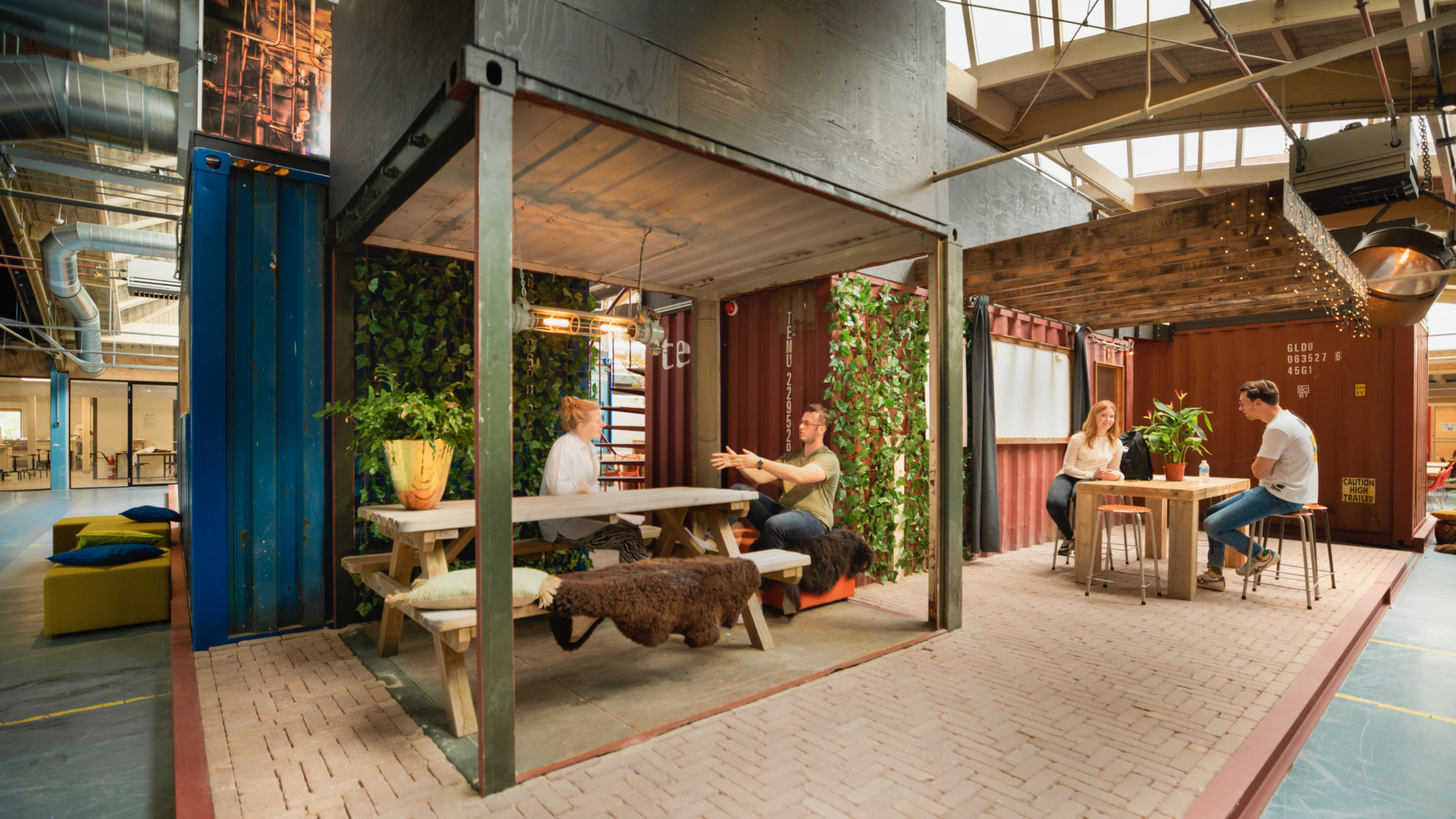
The question is no longer whether we need such places, but how intentionally we use them as spaces where people can continue practicing the art of living together. Places where conversations emerge about what AI means for everyday life, whom it serves, and which values are embedded within it. Places where different perspectives can coexist. This also requires rethinking how these spaces are designed: less focused on throughput, more focused on staying, connecting, and conversing. Less focused on control, more focused on openness.
Reclaiming Social Infrastructure
Technology will continue to evolve. The challenge is not to stop that development, but to ensure that we do not quietly surrender control of our social infrastructure. That responsibility must be claimed – in communities, in public spaces, and in the everyday conversations that shape how we live together.
It is time for every self-respecting community to actively invest in third places. Because if they do not, who will? This is the public realm – a public responsibility.
Let us call on our leaders to take action: by prioritizing social infrastructure over physical infrastructure in urban development. By encouraging smart mergers between public institutions, making municipal, educational, and cultural services accessible and welcoming under one roof. By strengthening community centers rather than cutting them back. And by actively supporting community initiatives instead of allowing them to get bogged down in bureaucracy and endless funding cycles.
The more digital society becomes, the more urgent the places that connect us become.
"It is time for every self-respecting community to actively invest in third places. Because if they do not, who will?"

References
¹ Musk versus OpenAI
The Guardian, Sam Altman wins legal battle with Elon Musk over OpenAI, May 2026
https://www.theguardian.com/technology/2026/may/18/sam-altman-trial-victory-elon-musk-openai
² David Streitfeld
David Streitfeld, Et Tu, Brute? What Elon Musk’s Clash With Sam Altman Is Really About, The New York Times, April 28, 2026
https://www.nytimes.com/2026/04/28/technology/elon-musk-sam-altman-trial.html
³ Environmental Impact of Data Centers
Nature Forward, Data Centers and Water Use
https://natureforward.org/data-centers-and-water-use/
Nature, research on data center water consumption
https://www.nature.com
⁴ Social Media and Behavioral Influence
The Social Dilemma (Netflix / Exposure Labs, 2020)
⁵ Social Media and Mental Health
Jonathan Haidt, The Anxious Generation
https://www.anxiousgeneration.com
Jonathan Haidt – research and publications
https://jonathanhaidt.com
Jean Twenge – research and publications
https://www.jeantwenge.com
⁶ Pope Leo XIV and AI
Vatican News, Magnifica Humanitas
https://www.vaticannews.va/en/pope/news/2026-05/pope-leo-xiv-encyclical-magnifica-humanitas-ai.html
⁷ Pope Leo XIV and Ferrari Luce
BBC News, Pope Leo XIV presented with Ferrari Luce in Castel Gandolfo, May 2026
https://www.bbc.com/news/videos/c8d826nve86o
The need for imperfection