The Offline Urge
Ironically, social media itself may be the clearest sign of how strong the desire for offline experiences has become. Viral videos celebrating digital detoxes, curated lists of offline activities, and influencers documenting their “offline reawakening” are everywhere. The appeal of going offline is becoming increasingly understandable. Research shows that young people spend an average of 6.5 to 8 hours per day on their phones, with consequences that are becoming harder to ignore: sleep deprivation, shortened attention spans, and rising anxiety levels.¹²
Growing fatigue with the digital world is fueling renewed interest in experiences that feel tangible, real, and human.

How Third Places Encourage Us To Turn From The Screen To Each Other
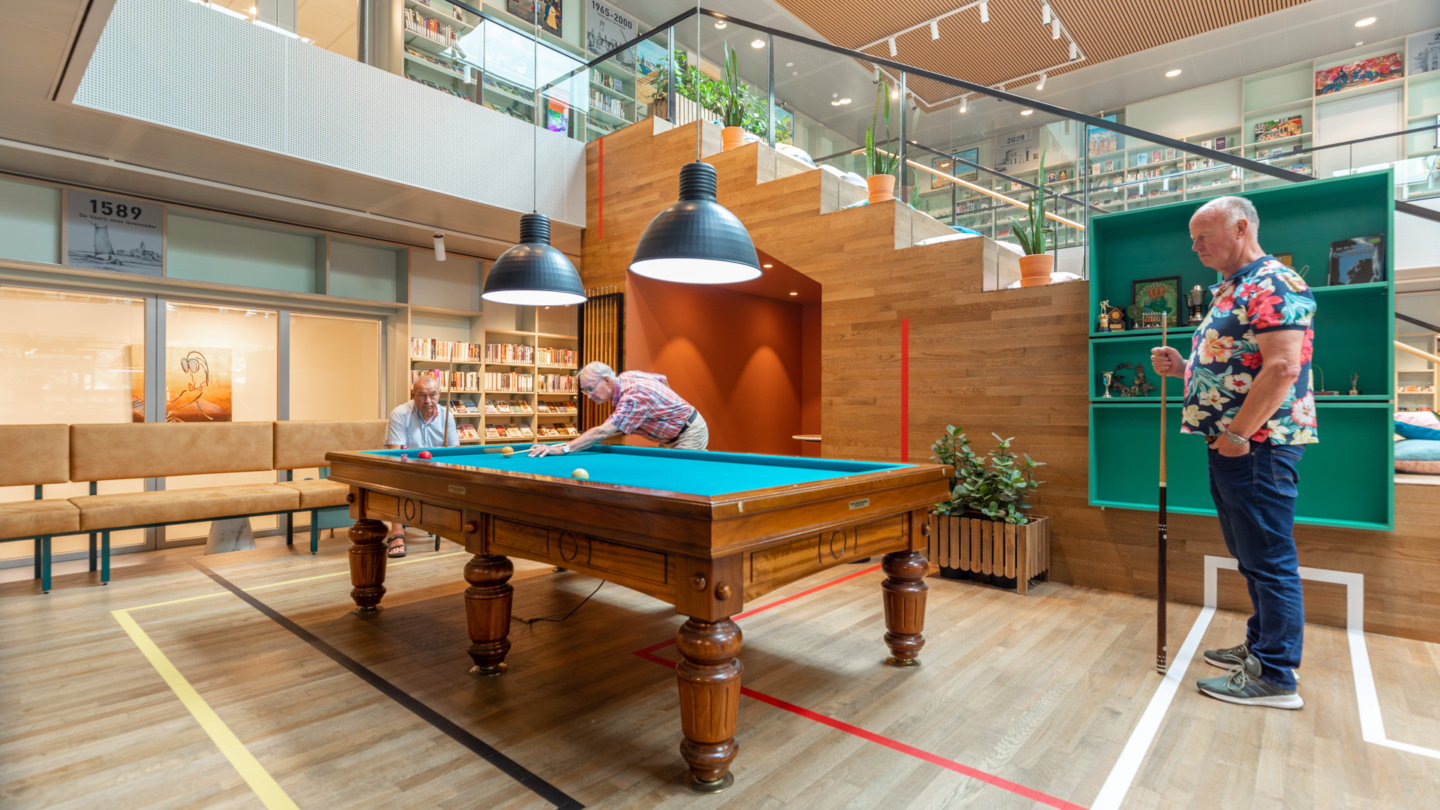
What makes third places so valuable is their public character: anyone can walk in or join. That openness creates a mix of people you are less likely to encounter in many other settings. Strangers start conversations, regulars get to know one another, and over time a sense of community begins to form. They create space for spontaneous encounters and genuine social connection.
How can space and programming strengthen the offline qualities of a third place?
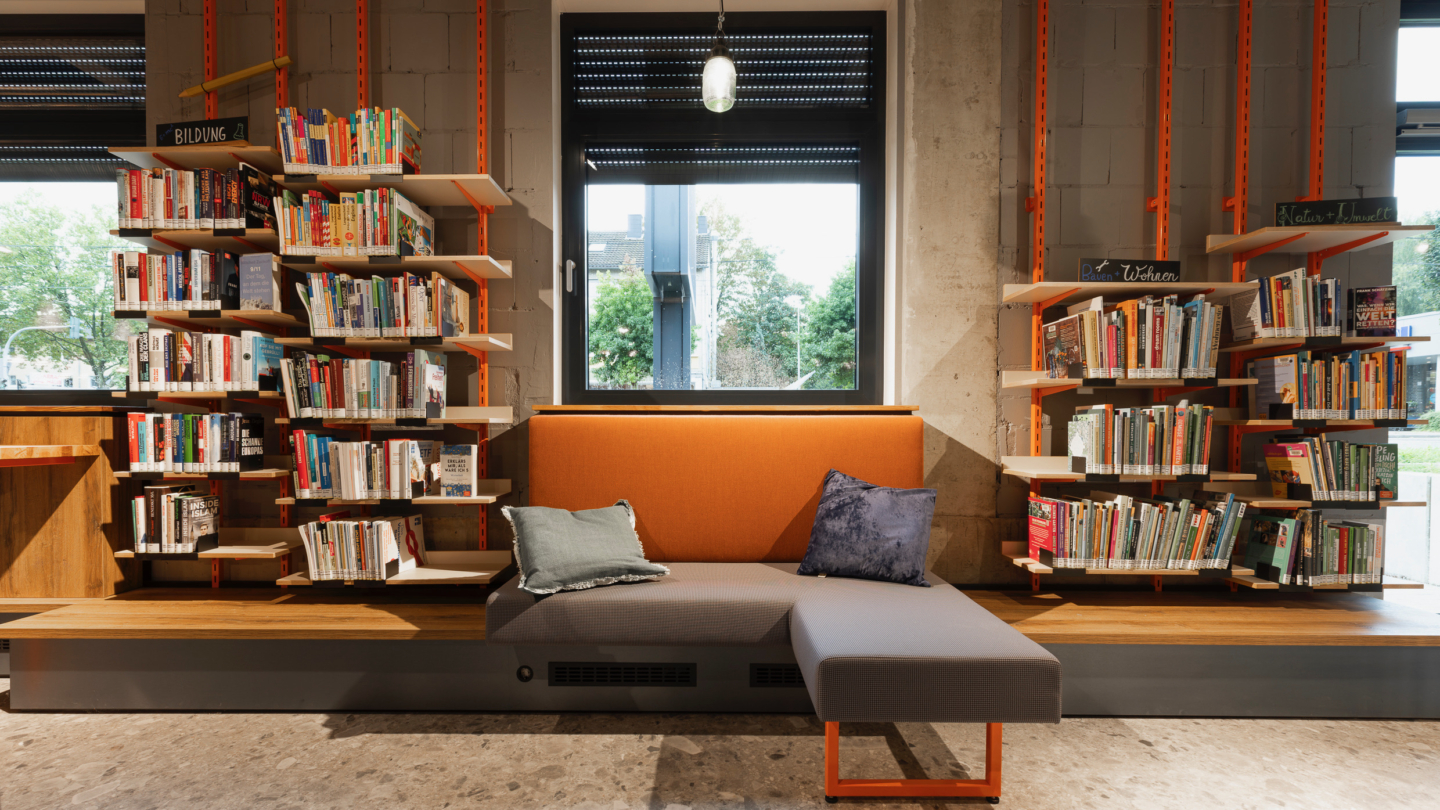
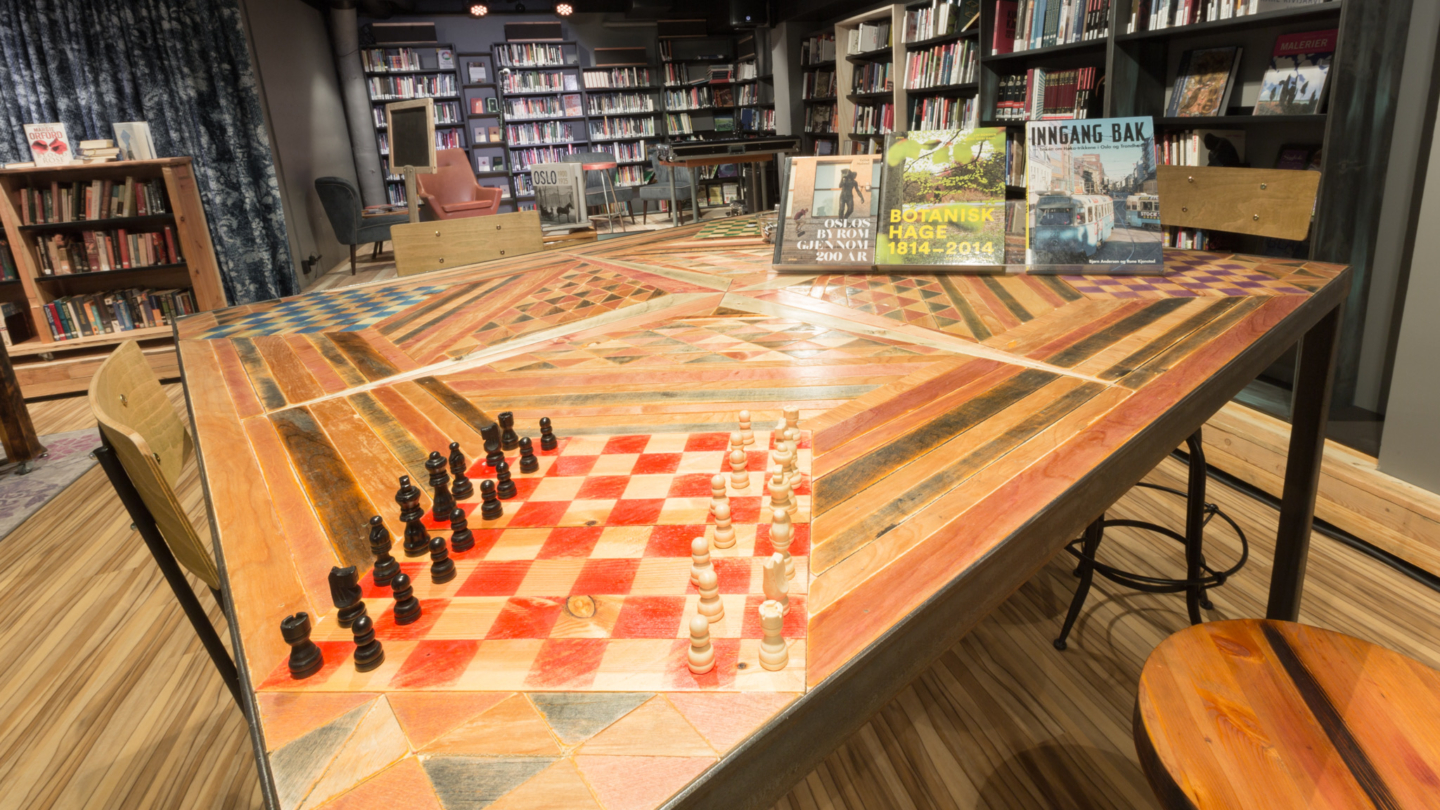
SPATIALLY, the strength often lies in simple interventions that reinforce the offline qualities of a third place. Phone-free zones, silent rooms, community tables, reading corners, maker spaces, and living room-style settings can help emphasize the offline character of a space. Some settings invite people to make, others create more room for conversation, focus, or shared attention. In this way, being offline becomes less of a rule and more of a natural part of the experience.
Flexibility in how spaces are used can be a major advantage. Something as simple as a dividing curtain can transform a room into a temporary phone-free zone within seconds. Even subtle spatial cues can help make offline behavior feel more natural. From “Still scrolling?” on the inside of a bathroom door to “Presence preferred” or “Welcome to the no-scroll zone” at the table.
Some places go even further with offline hours, a “phone hotel” at the welcome desk, or lockable phone pouches. The physical act of handing over or putting away your phone – rather than simply switching it to silent – creates a conscious moment of choice. It turns intention into behavior and helps people move toward something they genuinely want, but often struggle to fully commit to. The real shift lies in designing for collective experience rather than individual consumption.
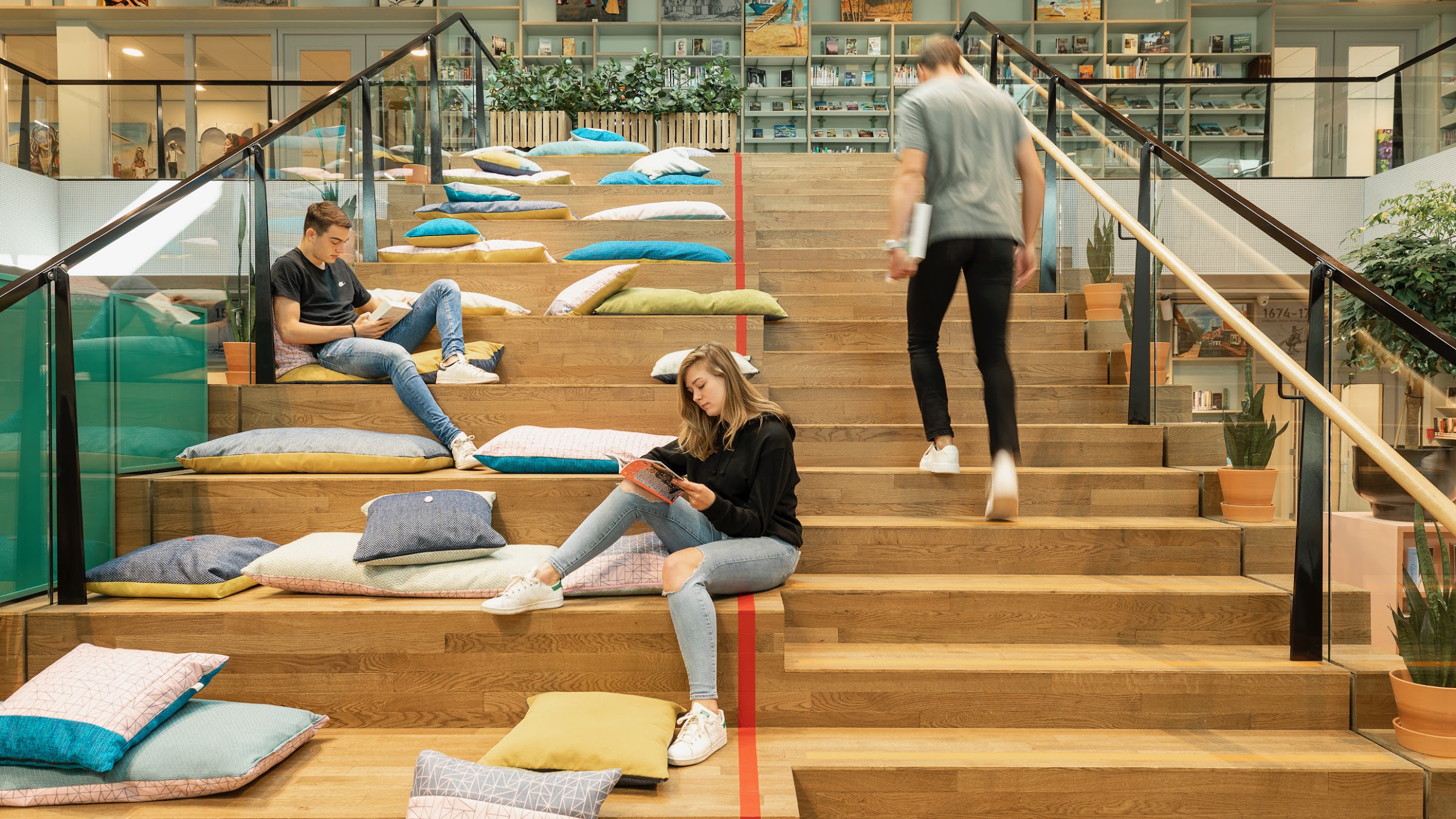
THROUGH PROGRAMMING, third places can respond to the offline rituals people are already seeking: silent reading gatherings, craft evenings, repair cafés, mindfulness sessions, or phone-free community dinners. At the same time, a broader societal conversation around healthy phone use is emerging. Schools across Europe are introducing phone-free policies, and campaigns such as Mei Social Vrij reflect growing awareness around digital balance.⁷
Third places can build on that momentum by organizing workshops, talks, and activities around offline connection and digital wellbeing. Bibliotheek Utrecht did exactly this with an offline program at Neude, inviting visitors to experience what social media promises – discovery, connection, and new perspectives – through real-life encounters instead.⁸
But more is at stake here than individual wellbeing alone. Researchers such as Jonathan Haidt have warned that algorithm-driven environments erode social trust and deepen polarization.⁹ Third places offer something different: informal, human, democratic spaces where nuanced interaction can still happen face to face.
While the digital era reshaped how we connect, it also fragmented our attention. The offline movement can help us regain focus, rebuild social connection, and rediscover what it means to be present together.
Let’s make it a revolution!
Sources
- University of Amsterdam – Tired and distracted: research confirms impact of social apps on young people
https://www.uva.nl/shared-content/uva/en/news/news/2024/04/tired-and-distracted-research-confirms-impact-of-social-apps-on-young-people.html - The Guardian – Study links children’s social media use to anxiety and depression
https://www.theguardian.com/media/2026/mar/22/study-children-social-media-anxiety-depression - Third Place Zine
https://thirdplacezine.com/ - FUKT Magazine
https://www.fuktmagazine.com/ - TODAY – The best analog activities to try right now
https://www.today.com/shop/best-analog-activities-rcna251927 - The Offline Club
https://www.theoffline-club.com/ - Mei Social Vrij
https://www.meisocialvrij.nl/ - Bibliotheek Utrecht – Offline Neude
https://www.bibliotheekutrecht.nl/agenda/offline-neude.html - Jonathan Haidt – Social Media
https://jonathanhaidt.com/social-media/
Discover our inclusive places