Play Has Its Own International Day
The importance of play for our development and well-being is recognized by both UNICEF and UNESCO. That is why the International Day of Play is celebrated annually on June 11.¹ This day reminds us why play matters. It fosters creativity, resilience, and social skills, laying the foundation for lifelong learning and well-being.
In many communities, children have fewer opportunities to engage in free and unstructured play. Public spaces are becoming less safe, less accessible, or less healthy, particularly in densely populated urban areas and humanitarian settings. Without safe places, play cannot flourish. The International Day of Play highlights this challenge and focuses especially on children. Rightly so, because a well-designed play area for children is essential in the development of third places.
In a world increasingly focused on efficiency and performance, play offers a different kind of value: enjoyment, experimentation, and human connection.
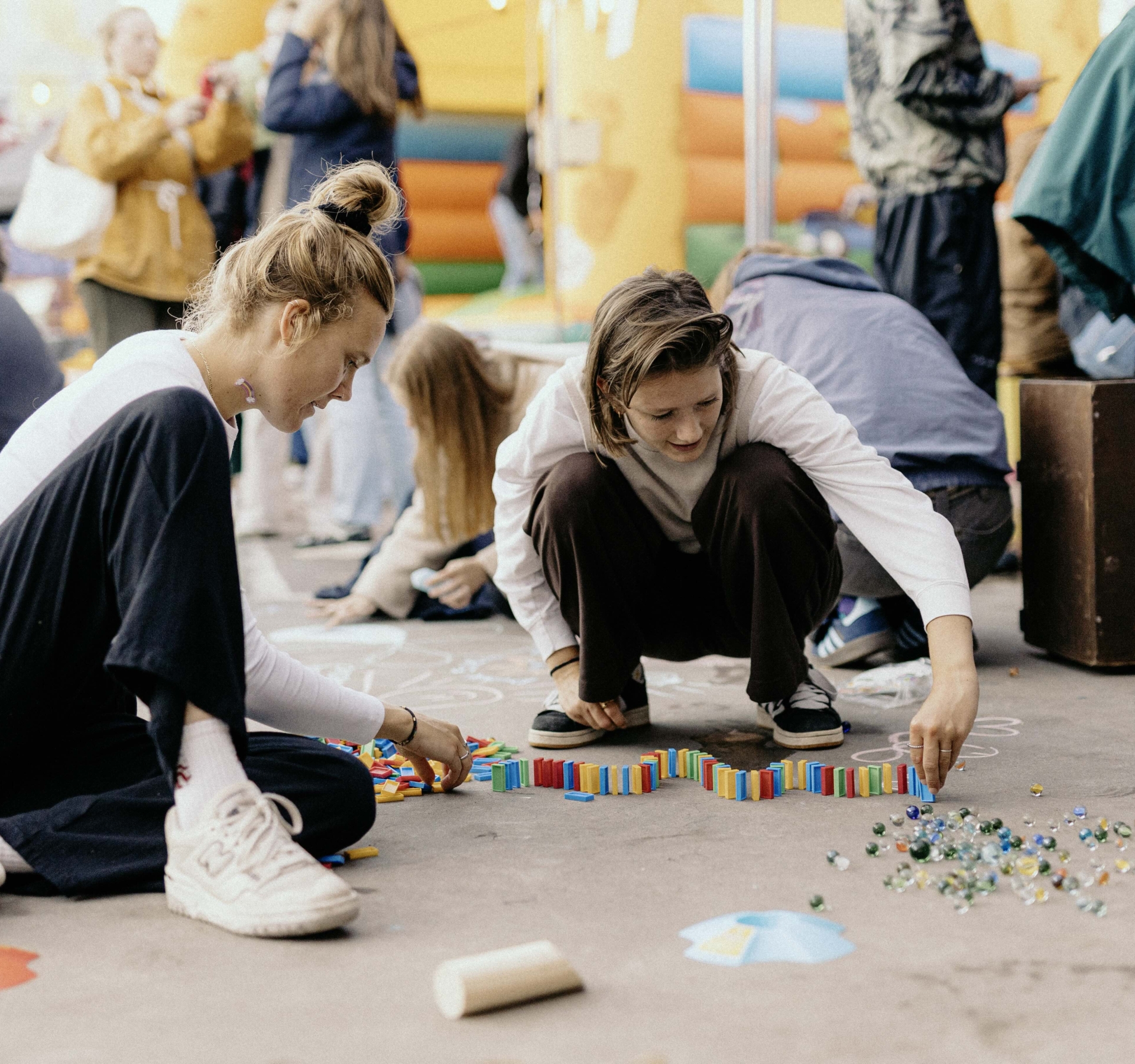
Yet many adults feel a certain resistance toward play. It is often perceived as childish. In reality, the ability to immerse oneself in play and temporarily step away from obligations can have a profound impact. Play is a natural antidote to passivity. It helps us see the world as it is while imagining how it could be different. Through play, we explore alternatives, test ideas, and practice change.⁴
Third places provide an ideal setting for this. They can facilitate play through activities, games, or entertainment, but often they simply provide an environment where playfulness emerges spontaneously. Sometimes a different setting is all it takes to break routines and spark imagination.
Peekaboo! Surprise Equals Playful
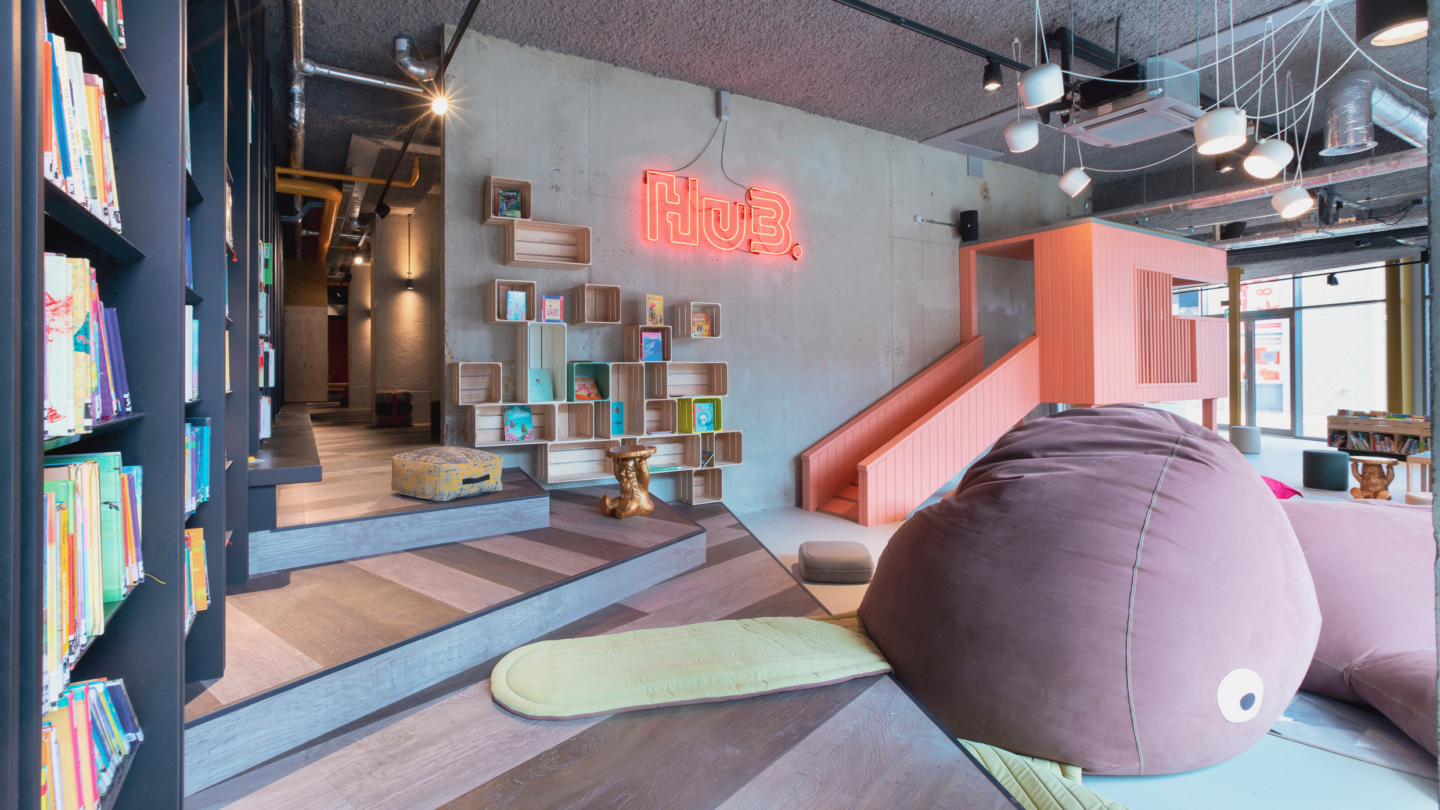
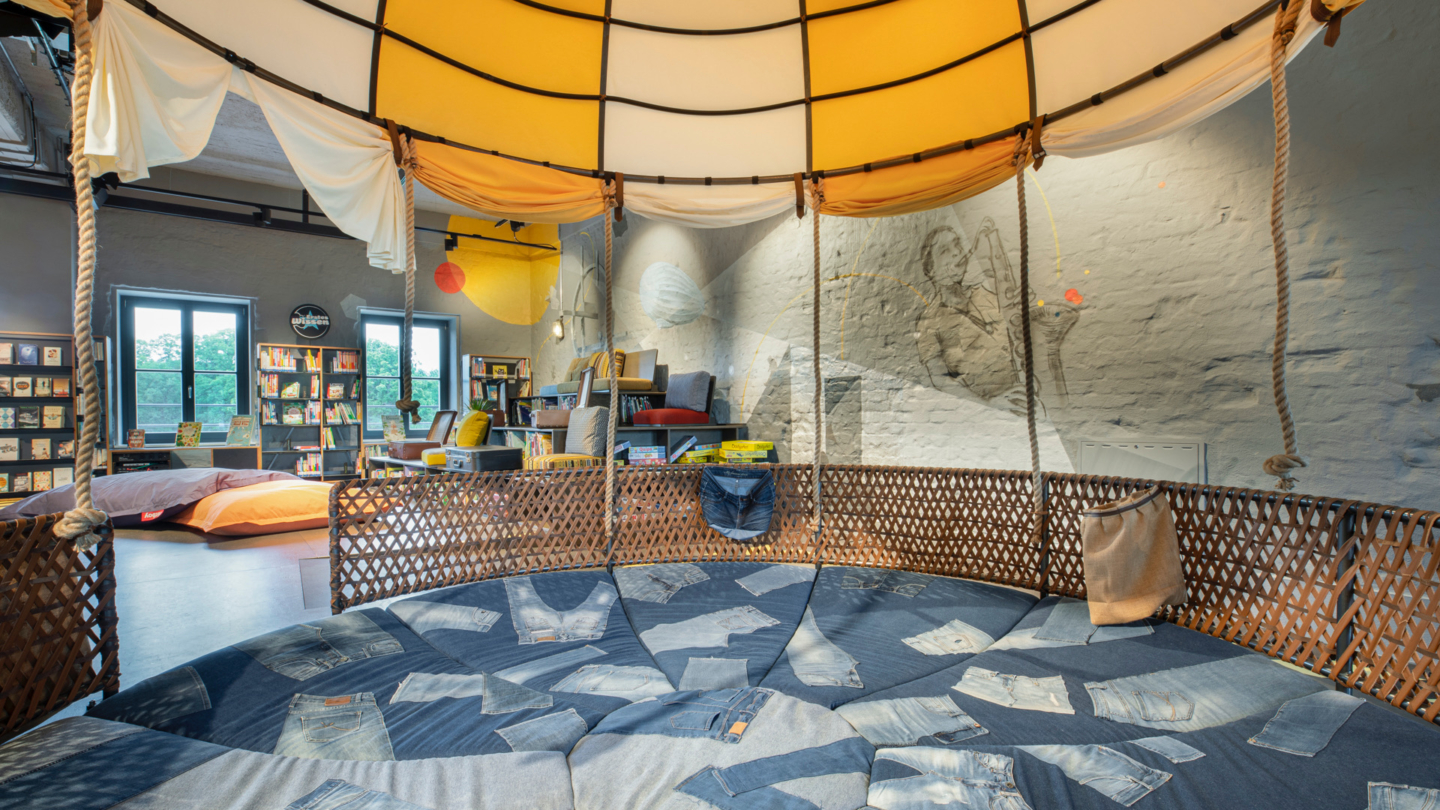
How can you increase the play factor of a public space? Offering games is one option, but perhaps even more important is creating room for surprise. Some places are naturally expressive and experience-driven, yet subtle interventions can be just as effective in creating a playful atmosphere. Small surprises often have a remarkable impact on people’s smiles, engagement, and overall mood.
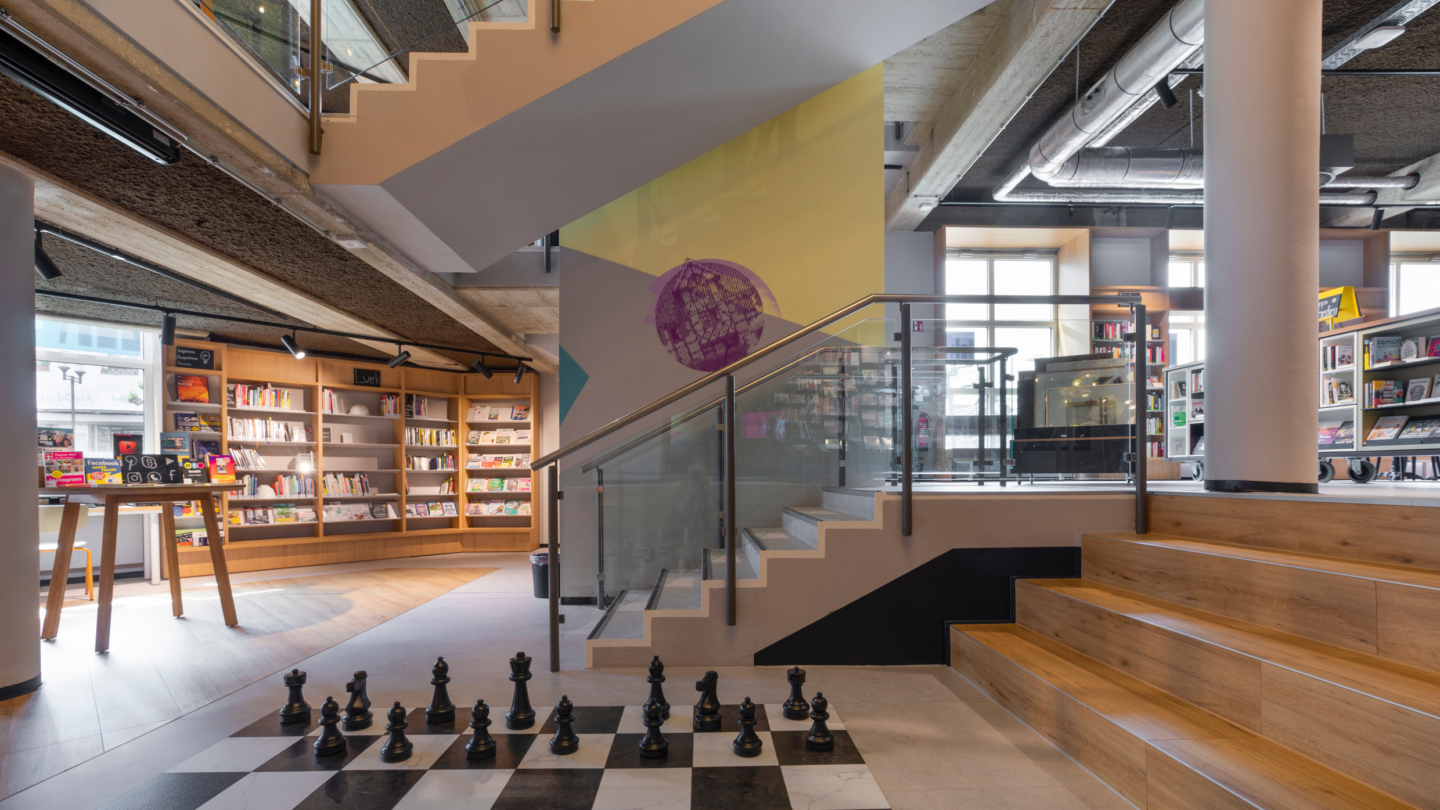
Think of an eye-catching object, an unexpected material, or a surprising shift in scale that pulls visitors out of autopilot. A witty slogan on the wall, a swing at the entrance, or a giant chessboard on the floor can have a similar effect.
Surprise sparks curiosity and makes a place memorable. The key is effortless activation: people participate because they want to, not because they feel obliged to.
Renewal also plays an important role. Small, irregular changes keep a place interesting and encourage visitors to keep exploring. Think of a mascot with changing outfits, new scents, temporary artworks, or seasonal decorations. These details help keep the element of surprise alive.
Play Can Be Both Digital And Physical
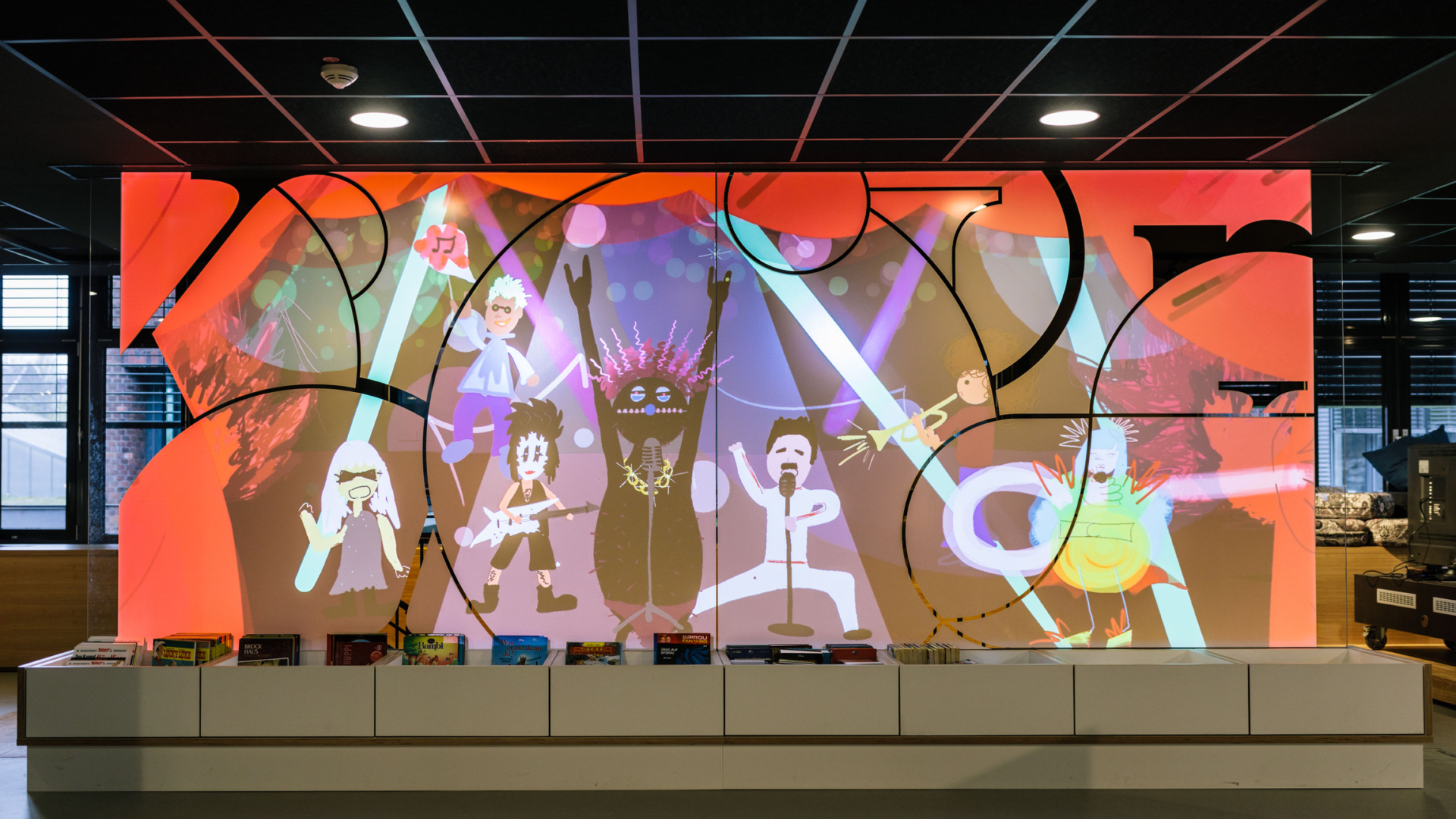
At Kalk Library⁵ in Cologne, so-called digital architecture, developed by the artist collective Urban Screen, has been integrated into the space. Children and young people collaborate with local artists to create large-scale digital artworks. As a result, the interactive wall at the heart of the library is constantly evolving.
Because the installation can only be modified on site, it encourages not only creativity but also face-to-face interaction and social connection. In this way, digital technology strengthens the library’s role as a third place.
Digital Elements
Three Perfect Places For Play
Where can people play, young and old alike? These are three favorite examples from the includi team.
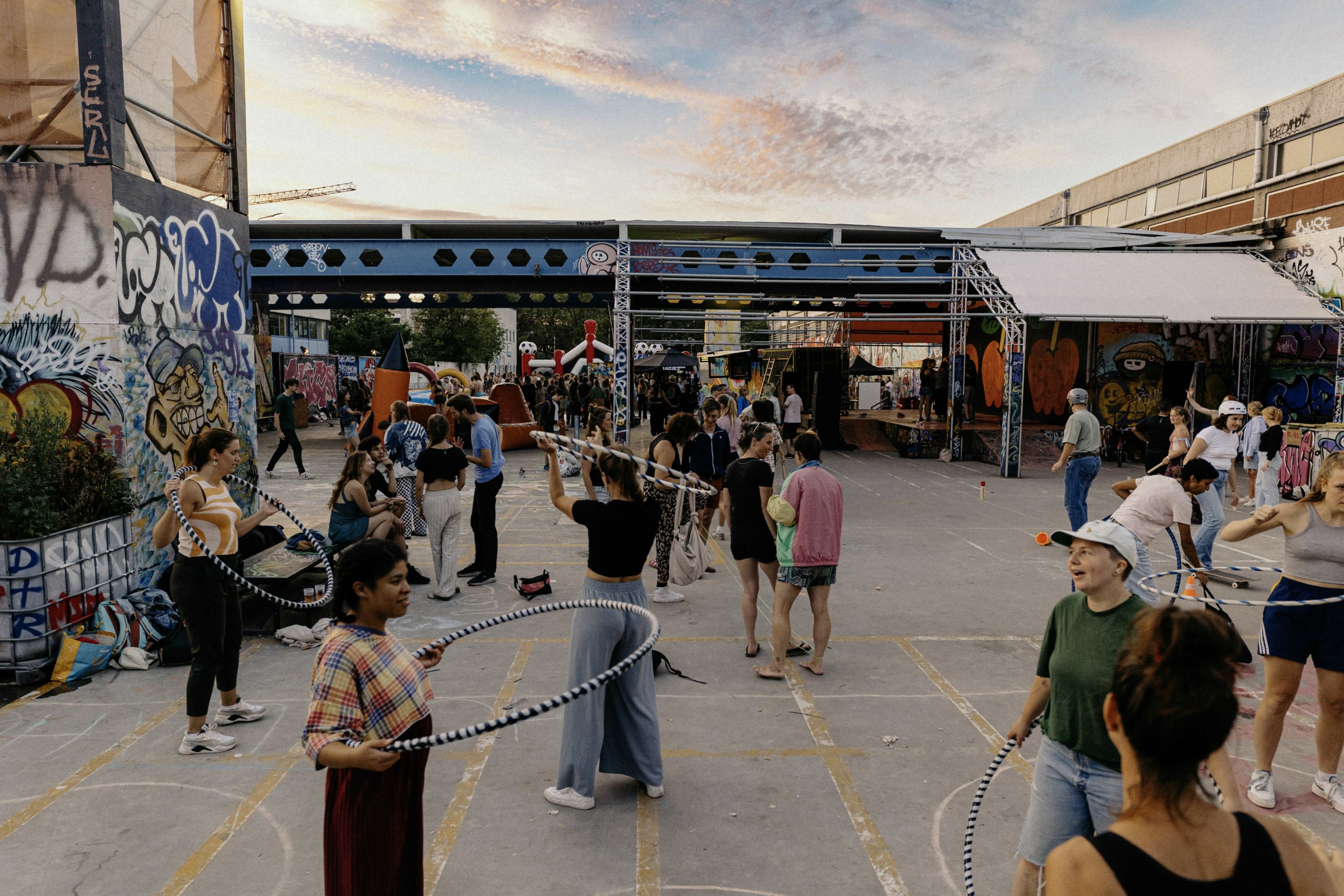
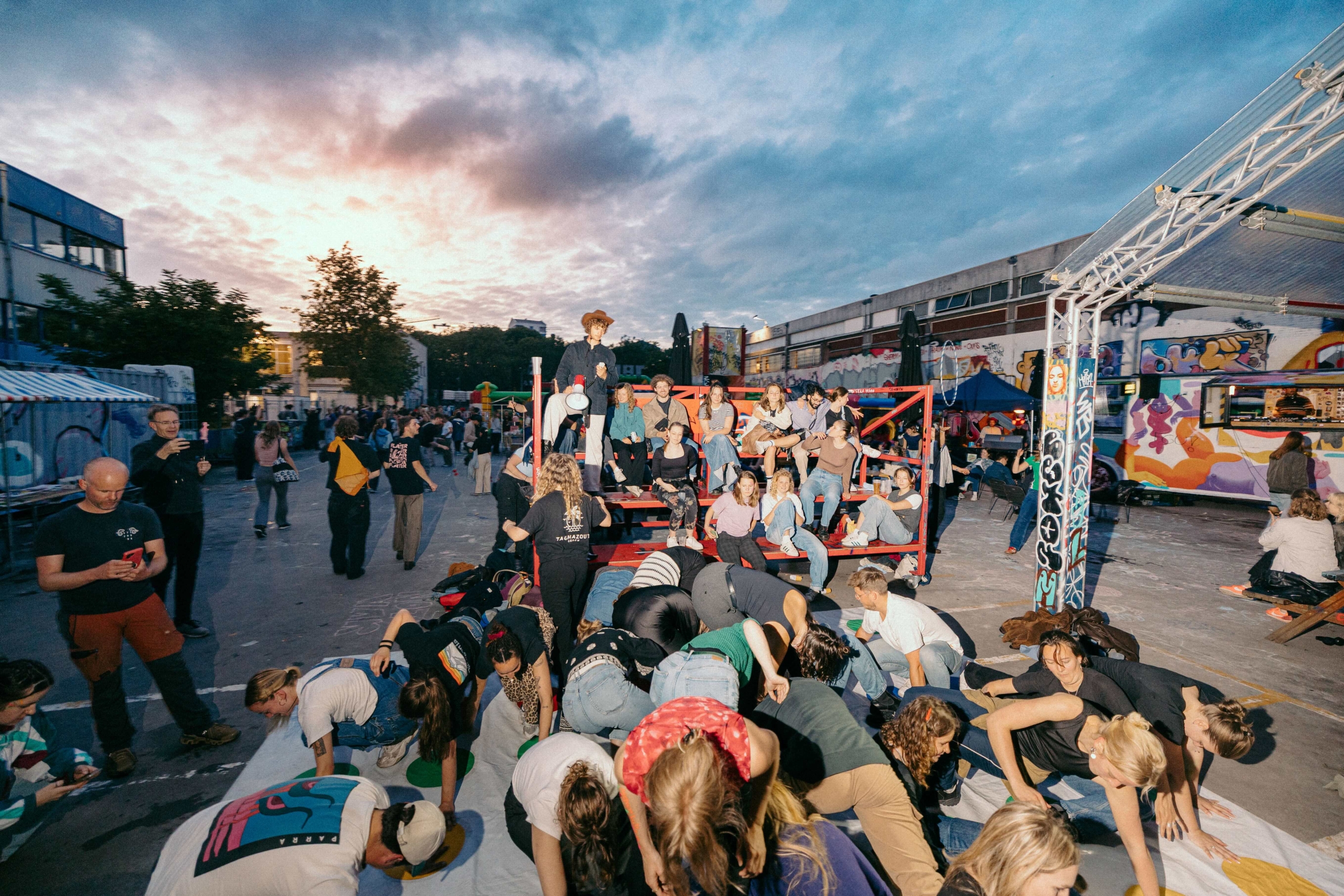
1. Beton-T – Vechtclub XL, Utrecht
An urban square of 3,600 square meters featuring a skate park, hospitality venues, sports facilities, and an open program that allows local residents to organize activities themselves.⁶
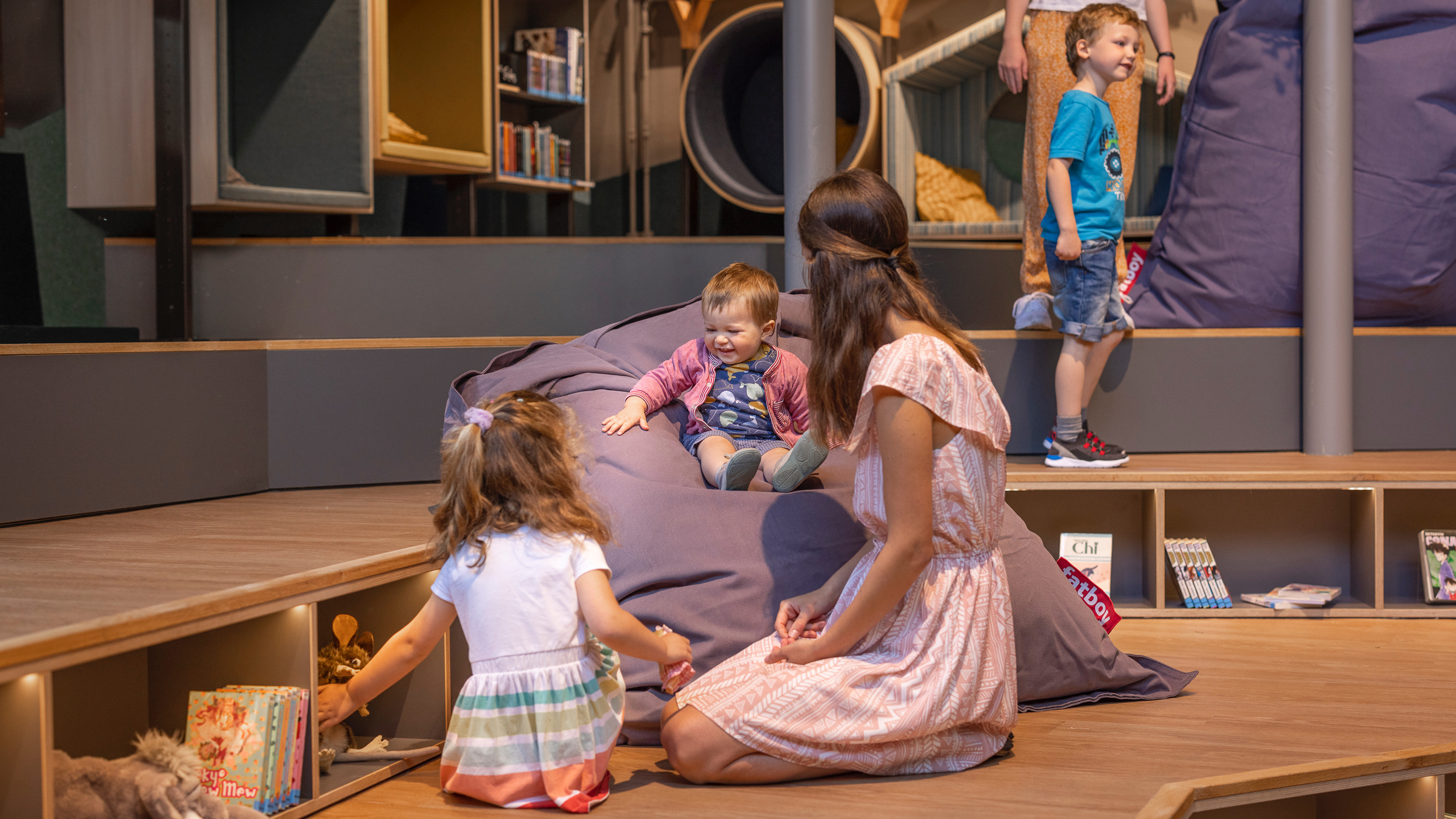
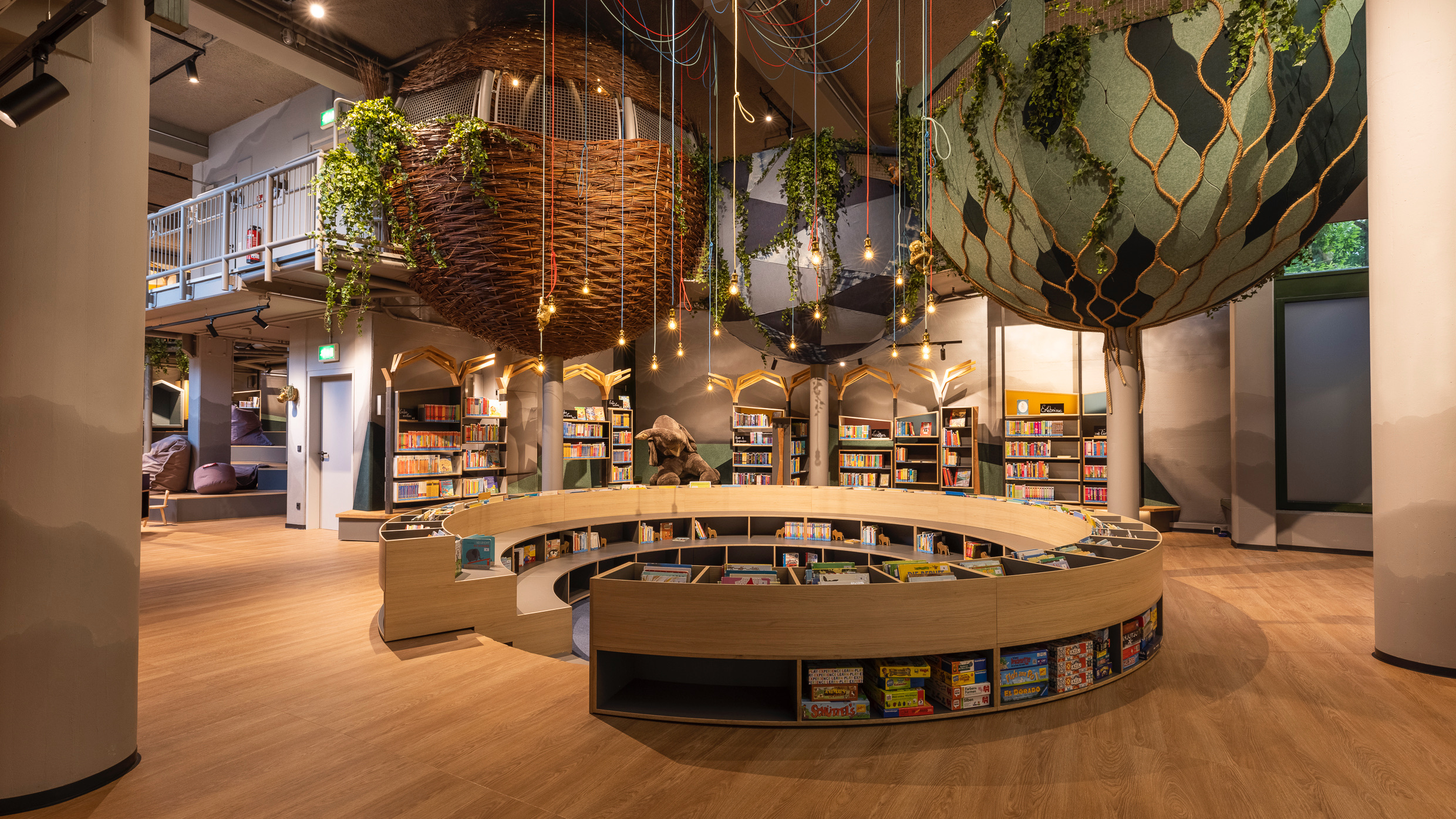
2. Children’s Library, Stadtbibliothek Gütersloh, Germany
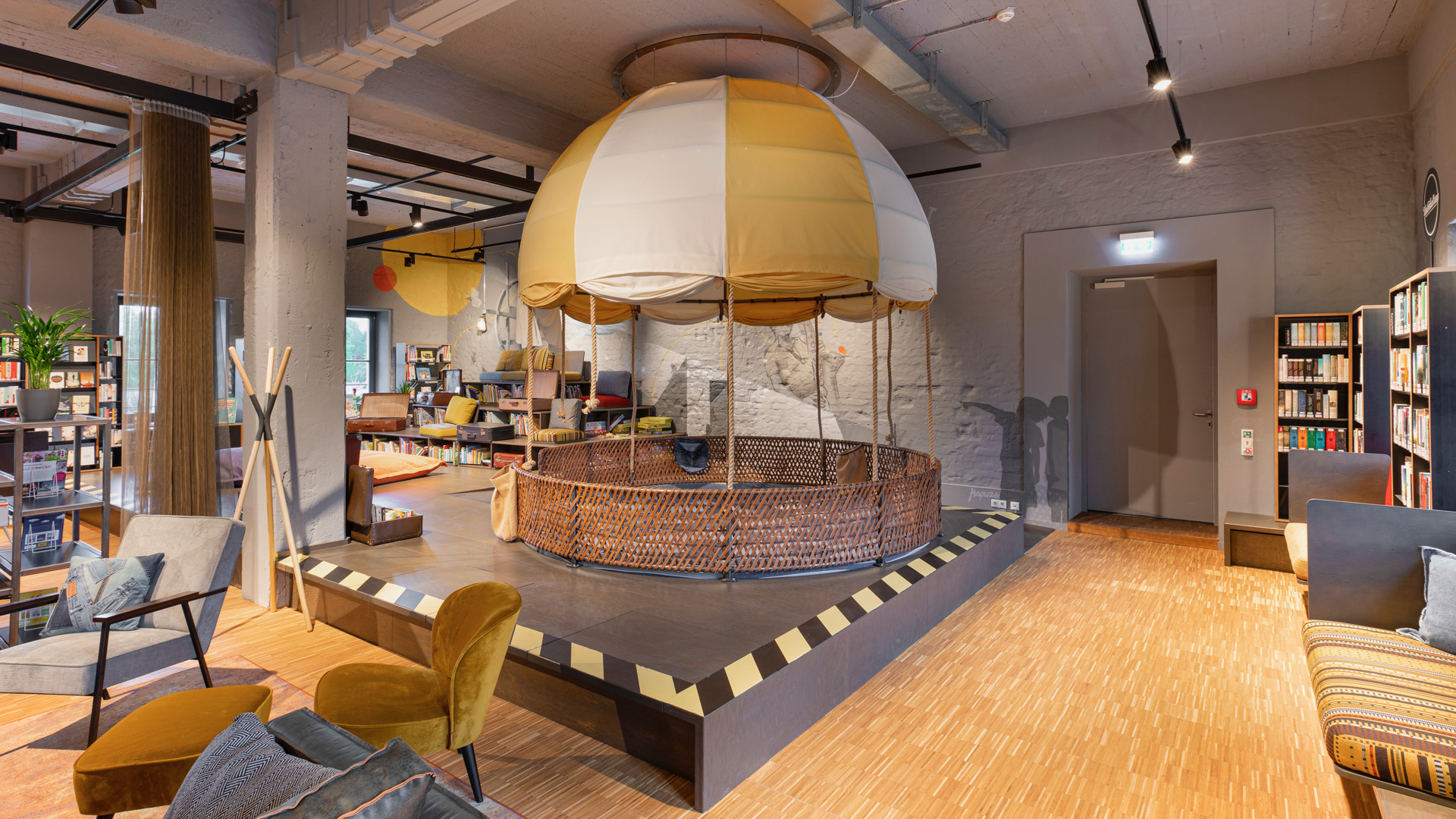
An interior that feels like a living storybook. Children and their caregivers can learn, play, and explore together. The library features hidden reading nooks, quiet retreat spaces, and large bird nests where visitors can climb, sit, and spend time together.⁷
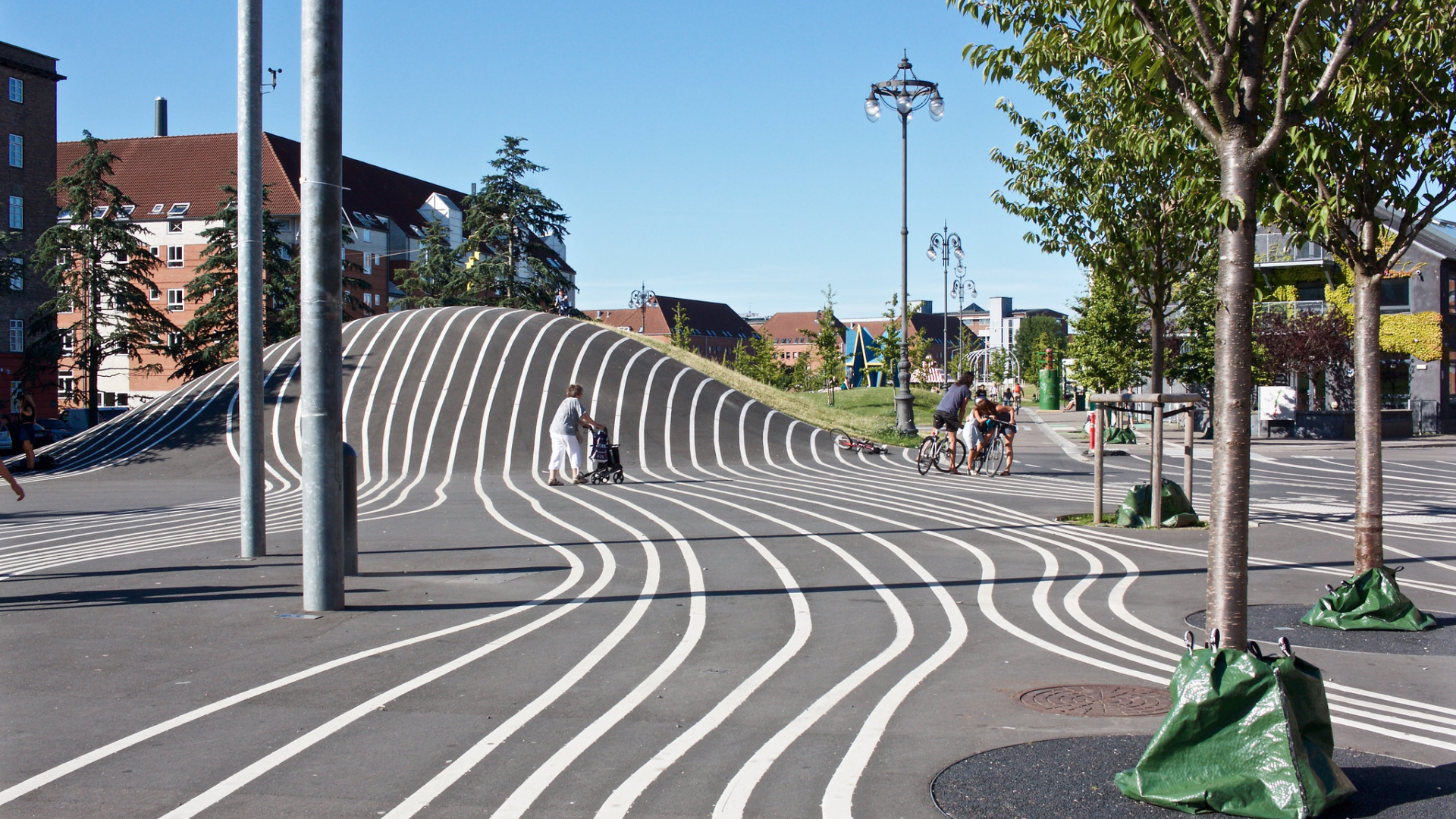
3. Superkilen, Copenhagen
A public gathering place in the multicultural district of Nørrebro, designed to bring different communities together. With sports and play facilities, places to relax, and unique objects from cultures around the world – from a Moroccan fountain to a Japanese octopus slide – the park makes diversity visible, tangible, and enjoyable.⁸
"Playful design elements surprise people and spark curiosity. They create unexpected moments of joy and connection and that is something we can never have enough of."

Playful Elements
Footnotes
¹ UNICEF, International Day of Play
https://www.unicef.org/parenting/day-of-play
² Amy Goedhart and Aat Vos, Come Stay Grow – The Art and Science of Places That Connect Us (2026). This publication introduces The Third Place Fundamentals.
³ Kathy Lubbers, Jeanne Cadwallader, Qiyang Lin, Christopher Clifford, and Leslie D. Frazier, “Adult Play and Playfulness: A Qualitative Exploration of Its Meaning and Importance,” Journal of Play in Adulthood 5, no. 2 (2023), 1–19. DOI: 10.5920/jpa1258.
⁴ National Geographic Netherlands, “Waarom spelen belangrijk is”
https://www.nationalgeographic.nl/wetenschap/a46265480/waarom-spelen-belangrijk-is
⁵ Kalk District Library
https://www.includi.com/projects/stadtteilbibliothek-kalk/
⁶ Link to Beton-T to be added.
⁷ Children’s Library Gütersloh
https://www.includi.com/projects/kinderbibliothek-gutersloh/
⁸ Superkilen
https://www.visitdenmark.nl/denemarken/reis-plannen/superkilen-park-gdk707822
Photo Credits
Beton-T: Tanno Witkamp
Superkilen: Naotake Murayama, “Superkilen Park, Nørrebro, Copenhagen – Superflex with Bjarke Ingels Group and Topotek1”, CC BY 2.0.
Discover our inclusive places